Summary
Traditional taramosalata delivers a creamy, airy texture and a balanced, savory flavor that defines Greek meze culture. If you want to make it at home, this traditional taramosalata recipe uses white tarama, olive oil, lemon juice, and bread. As a result, taramosalata offers both simplicity and sophistication. Furthermore, it pairs perfectly with lagana bread, olives, and dolmadakia, especially during Lent and festive gatherings.
Description
Taramosalata stands as one of Greece’s most recognizable and respected meze dishes. This traditional Greek dip combines salted fish roe with olive oil and lemon juice to create a light, creamy emulsion. Moreover, proper technique transforms simple ingredients into a refined preparation. Greek cooks rely on precise timing, gradual oil incorporation, and cold water stabilization to achieve the characteristic fluffy texture.
In addition, this recipe follows authentic Thessaloniki preparation methods. For those searching for a traditional taramosalata recipe, these methods produce professional-quality taramosalata suitable for both home cooks and culinary professionals.
History
Taramosalata dates back centuries and reflects Greece’s deep connection to the sea. Historically, coastal communities preserved fish roe with salt to extend shelf life. Consequently, cooks developed recipes that used preserved roe in flavorful, practical dishes, passed down as the core elements in many traditional taramosalata recipes.
During Byzantine times, Greek cooks served tarama-based preparations as part of fasting meals. Over time, taramosalata evolved into a staple of Lenten cuisine. Today, Greeks prepare it especially on Clean Monday, which marks the beginning of Great Lent.
Origin
Taramosalata originates from Greece and the Eastern Mediterranean. Specifically, the dish developed in fishing regions where communities relied on preserved seafood. Although similar roe-based dips appear throughout the Mediterranean, Greek taramosalata maintains a unique identity that is showcased through traditional taramosalata recipe variations.
Greek cooks traditionally use white tarama from cod or carp roe. As a result, authentic taramosalata delivers a refined flavor and smooth consistency.
Facts About Taramosalata
- Taramosalata belongs to the Greek meze tradition.
- Greek families serve it during Lent and religious fasting periods.
- Authentic taramosalata uses white tarama, not artificially colored pink tarama, an important detail for any traditional taramosalata recipe.
- Professional kitchens stabilize the emulsion using cold water.
- Greek cooks pair taramosalata with lagana bread, olives, and seafood dishes.
- Thessaloniki taverns often serve taramosalata as a starter.
Professional Tips
- First, always soak the tarama in cold water. This step reduces excess salt and improves balance. For a true traditional taramosalata recipe, don’t skip this preparation step.
- Second, add olive oil gradually. This technique ensures proper emulsion and prevents separation.
- Additionally, allow the mixture to rest during blending. This pause improves consistency and structure.
- Finally, refrigerate taramosalata before serving. Chilling allows flavors to develop fully.
Instructional Notes (Professional Technique)
To achieve professional results, follow these principles:
- Use high-quality extra virgin olive oil.
- Blend at medium speed to control emulsion formation.
- Stop blending briefly to stabilize structure.
- Maintain cold ingredient temperatures, as any traditional taramosalata recipe would require.
As a result, the final product will appear smooth, fluffy, and stable.
Serving Suggestions
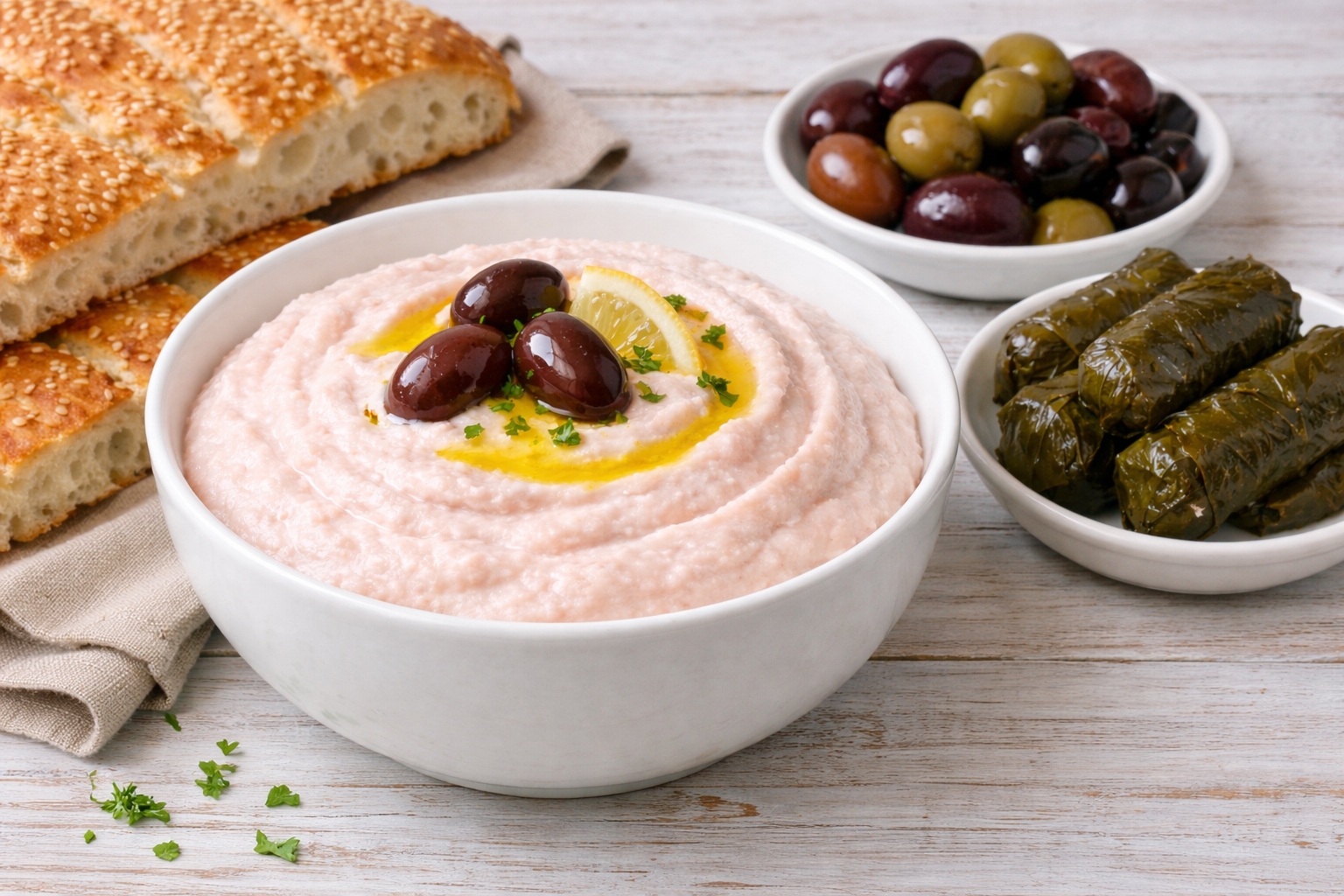
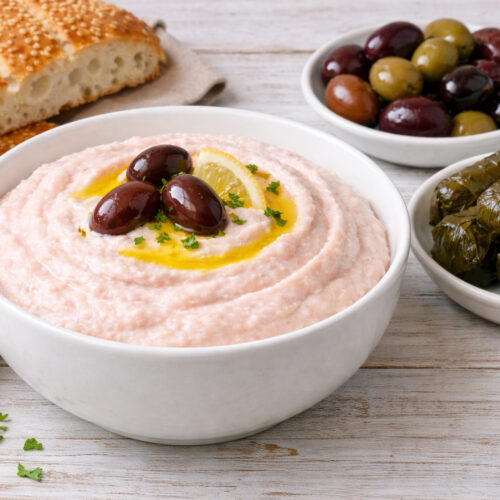
Serve taramosalata in a white bowl. Then drizzle olive oil on top. Add Kalamata olives and lemon wedges for garnish. According to a traditional taramosalata recipe, this simple garnish is customary.
In addition, pair the dip with fresh lagana bread and dolmadakia. This presentation reflects traditional Greek meze service.
Closure
Traditional taramosalata represents the essence of Greek culinary heritage. Greek cooks transform preserved fish roe into a refined and elegant preparation using precise technique. Moreover, this recipe demonstrates how simple ingredients can produce professional results for anyone seeking a truly traditional taramosalata recipe.
Therefore, prepare taramosalata with care, patience, and attention to detail. Ultimately, you will create an authentic Greek dip that honors centuries of tradition and delivers exceptional flavor and texture.
Traditional Taramosalata

Equipment
- Blender (Bosch blender recommended)
- Medium bowl (for soaking)
- Fine grater (optional, for onion)
- spatula
- Airtight storage container
Ingredients
- 150 g white tarama Thessa or Viking
- 7 –8 slices white toast bread crust removed (≈190 g)
Olive oil
- 225 ml extra virgin olive oil 15 tbsp
Lemon juice
- 45 ml fresh lemon juice 3 tbsp
Cold water (for soaking)
- 400 –500 ml cold water 26 tbsp + 2 tsp to 33 tbsp + 1 tsp
Optional
- 2 tsp finely grated white onion
Instructions
Step 1 – Reduce salt
- Place tarama in a bowl and cover completely with cold water (400–500 ml). Soak for 10 minutes.
- Drain using a fine sieve thoroughly and gently press to remove excess water.
Step 2 – Prepare bread
- Remove crusts from toast slices. Soak bread in cold water for 20–30 seconds. Squeeze extremely well. Bread should be moist but not wet.
Step 3 – Blend base
- Add tarama, bread, half the lemon juice, and optional onion to blender. Blend for 20–25 seconds on low–medium speed until smooth paste forms.
Step 4 – Begin emulsion
- With blender running on medium speed, slowly pour in half the olive oil in a thin steady stream. Blend for 30 seconds until mixture thickens.
Step 5 – Stabilization pause (critical step)
- Stop blending and allow mixture to rest for 30–60 seconds. This stabilizes emulsion and creates lighter, fluffy texture.
Step 6 – Complete emulsion
- Resume blending and slowly add remaining olive oil. Blend for 20–30 seconds until smooth and creamy.
Step 7 – Rest and chill
- Transfer taramosalata to airtight container. Refrigerate for 45–60 minutes before serving to fully stabilize texture.
Notes
- Final yield: approximately 680 g taramosalata
- Soaking reduces salt by approximately 35%
- Always add olive oil slowly
- The pause step creates authentic Thessaloniki fluffy texture
- If mixture thickens in refrigerator, stir in 1–2 tsp cold water before serving
- Refrigerate in airtight container for up to 5 days.
Drizzle thin layer of olive oil on surface before storing to preserve freshness. - Do NOT freeze prepared taramosalata. Freeze only raw tarama.
- Serve in white bowl
- Lagana bread
- Kalamata olives
- Dolmadakia
- Olive oil drizzle
- Lemon wedges